South Valley in Albuquerque, NM
An older Albuquerque, and it still farms
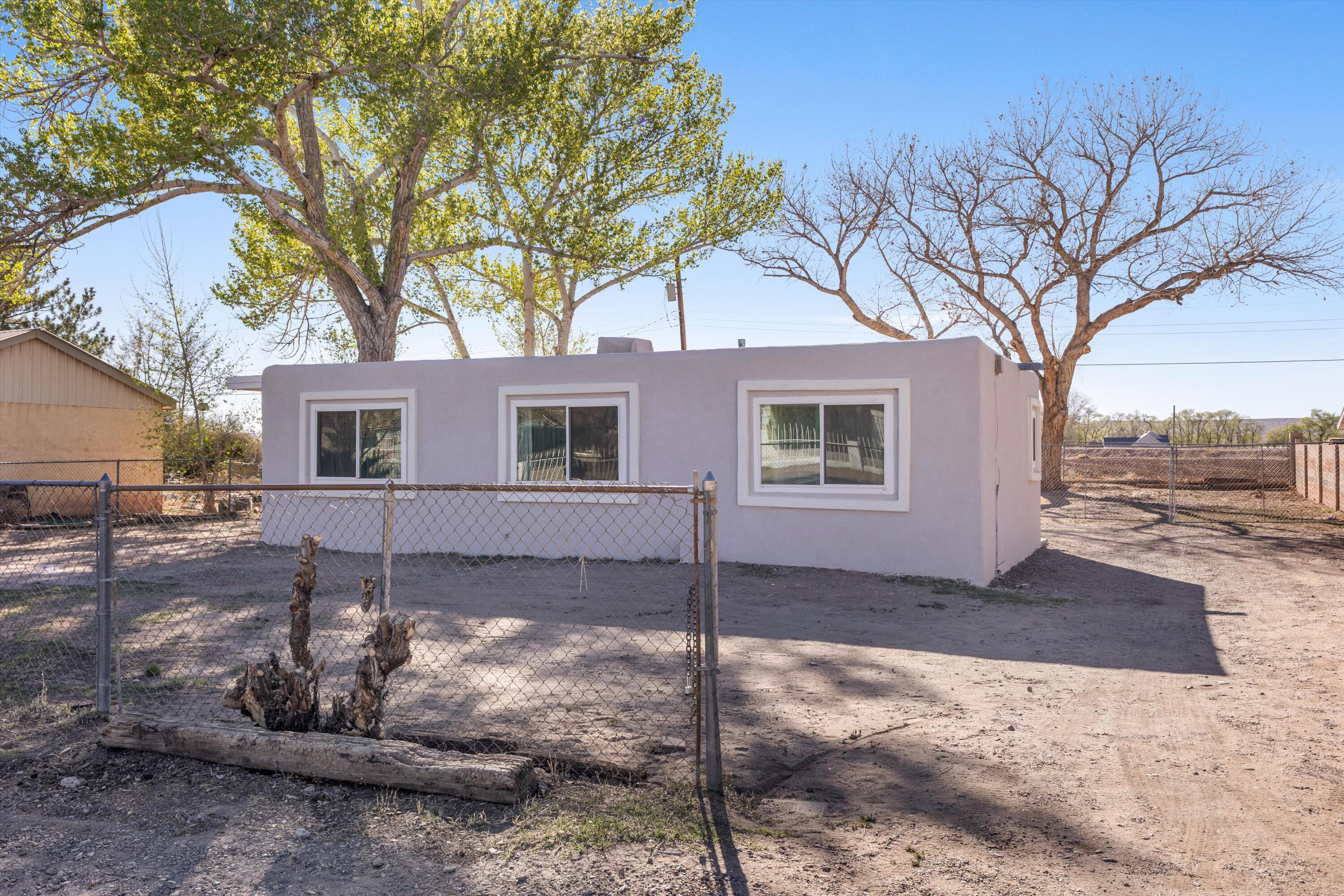
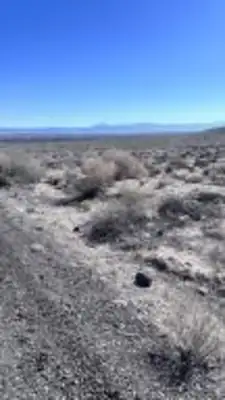
Drive south on Isleta Boulevard and the city loosens its grip. Fences get longer. You'll pass a horse in a side yard, a ditch running full in June, an adobe sitting crooked to the road because the field mattered more than the street did. That's the valley. Anyone looking at South Valley homes for sale is shopping for land and water as much as square footage, and it helps to know that going in.
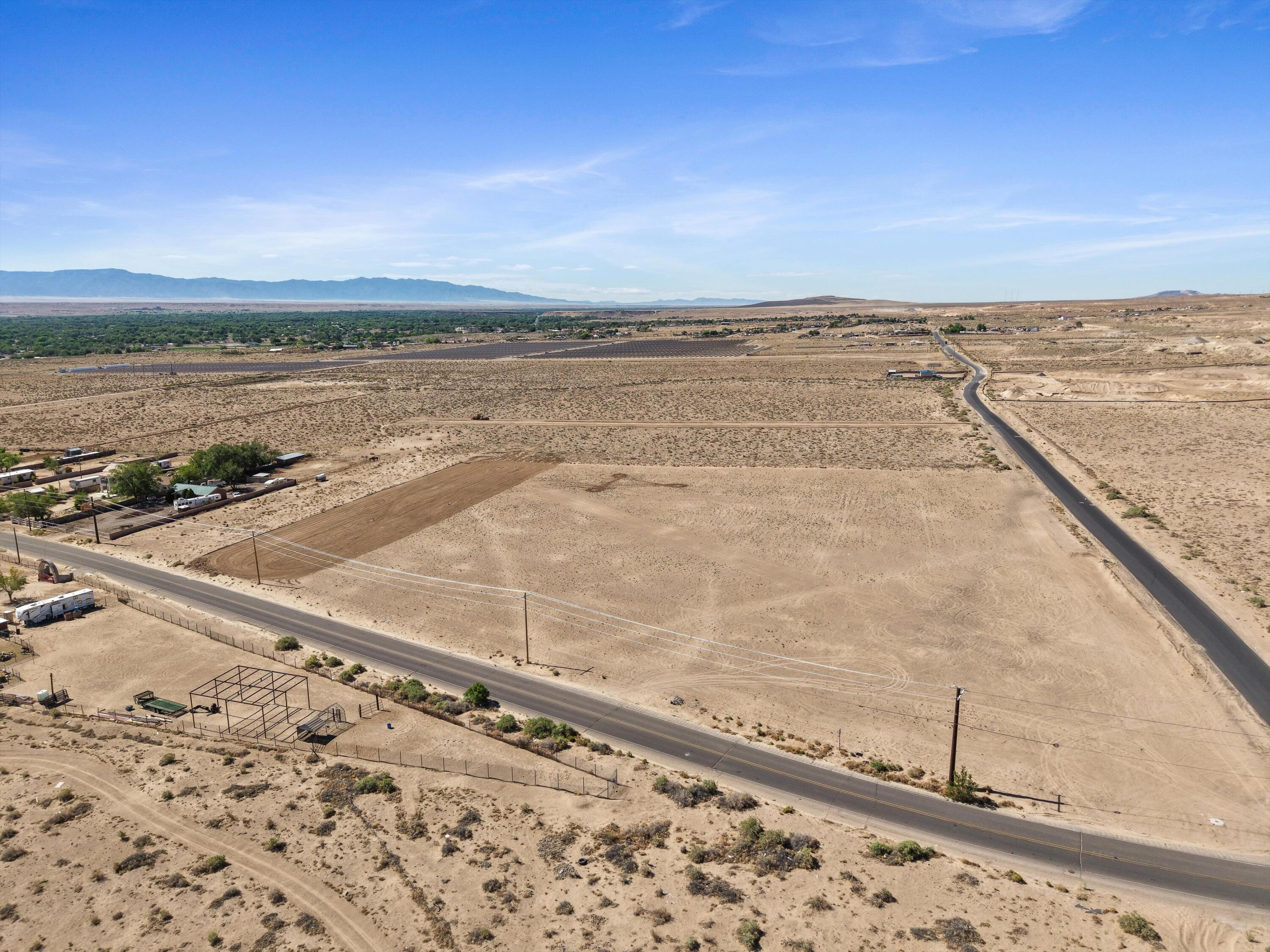
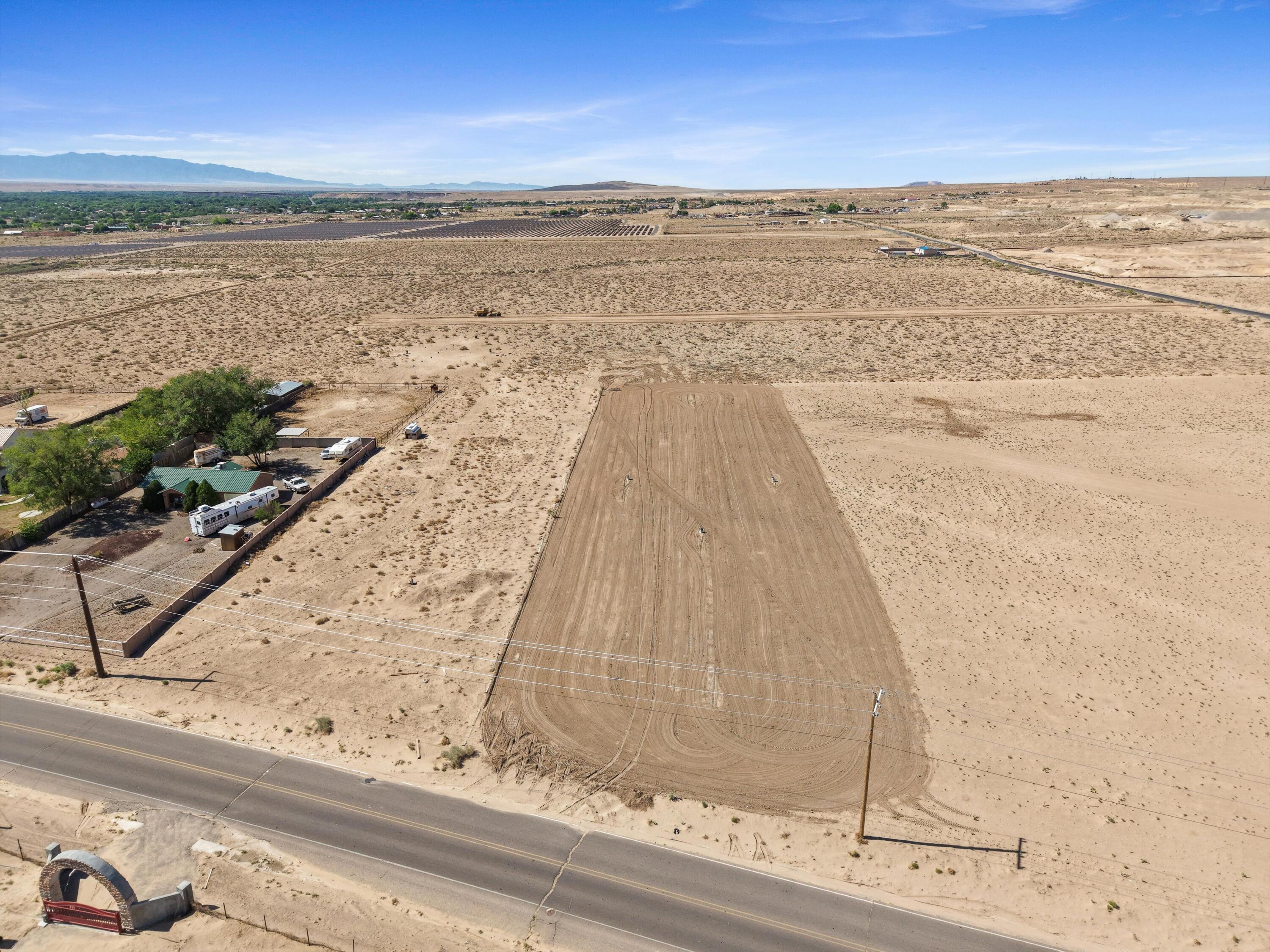
This place is older than Albuquerque itself. Atrisco, Pajarito and Los Padillas began as plaza settlements on the 1692 Atrisco land grant, farming villages strung along the Rio Grande before the Villa de Alburquerque was founded. Families were given long narrow strips running perpendicular to the river so everyone touched water. You can still read that pattern in the parcel lines today. It's why so many lots here are deep and skinny, and why a half-acre can be 60 feet wide and 400 feet long.
Where it is and how it's laid out
Most of the South Valley is unincorporated Bernalillo County, not City of Albuquerque, which surprises buyers more than anything else on this list. The census area covers roughly 30 square miles south of the city limits with the river running through the middle of it. Addresses carry the 87105 ZIP almost everywhere; the western edge around Alamosa and out toward Pajarito Road picks up 87121.
Only two bridges cross the Rio Grande inside the valley, at Bridge Boulevard and Rio Bravo, so local traffic funnels hard onto those two. Learn which side of the river you're on before you set a showing schedule. Isleta Boulevard is the spine on the west side, Second Street and Broadway on the east. Coors runs the western flank. I-25 is right there at Rio Bravo, the Sunport is about ten minutes out, and downtown is a straight shot up Second. Elevation sits near 4,950 feet on the valley floor, a couple hundred feet below the Heights, which means cooler nights, real humidity when the ditches run, and Sandia views that look bigger from down low.
What the houses are actually like
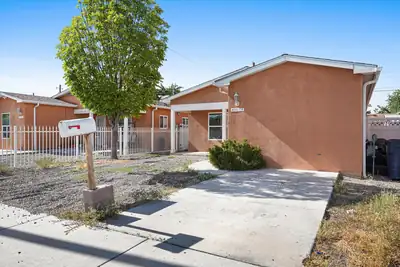
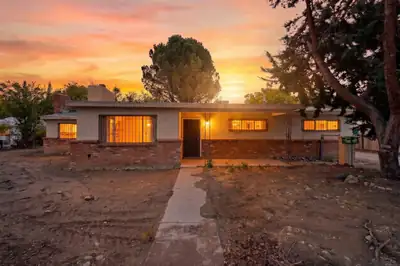
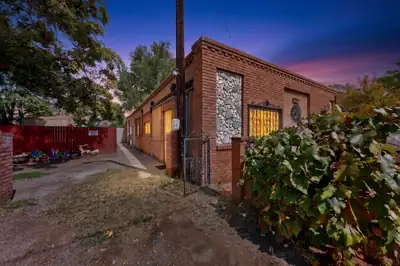
There is no single product type here, and that's the honest answer. Pre-war adobes with 18-inch walls and later pitched roofs. A big postwar wave of small frame and block ranches from the 1950s through the 1970s. Manufactured homes on owned land, which are common and financeable but need the right loan. Custom Southwest Contemporary and Pueblo Revival builds on split acreage, still going up today wherever a family carves a lot off the old strip. Sizes skew modest by metro standards, and lots skew large. Formal HOAs are rare. What you get instead is MRGCD irrigation assessments, ditch easements and neighbors with opinions about who cleans the lateral.
Do your due diligence differently here. Well and septic are widespread, county zoning governs instead of city zoning, and irrigable acreage with attached water rights is worth checking before you write an offer. Livestock is allowed on much of it. That's the draw for a lot of my buyers.
The neighborhoods inside it
Adobe Acres sits west of Isleta near the elementary of the same name, older and tightly built with a small-town feel. Atrisco anchors the north end near Bridge, the most urban part of the valley and the closest to Old Town and Central. Alamosa is out on the western side off Gonzales SW, newer stock and city services, with a community center that shares a building with a library and health clinic. Pajarito and Los Padillas run south from there into genuine open country, big irrigated parcels, orchards, working barns. Mountain View is the far southeast corner along Second Street and Broadway, and I'll say plainly that it sits shoulder to shoulder with industrial zoning; residents there have organized around air and water quality for decades, and it's worth reading up before you buy. Bosque Del Rio rounds out the pockets closer to the river cottonwoods.
Open space you'd have to pay for elsewhere
Valle de Oro National Wildlife Refuge is the headline. It's 570 acres of former dairy farm on Second Street SW that the community fought to protect, the first urban refuge in the Southwest when it opened in 2012. The Gutiérrez-Hubbell House on Isleta is a 1860s adobe hacienda on the National Register, bought by the county in 2000 and run as a history and agriculture center with gardens and a market. Then there's the bosque, the cottonwood corridor along the river, with the Paseo del Bosque Trail heading north into the city.
Who it fits
People who want room, animals, a shop, a garden that actually produces. Buyers who'd rather have an acre and an old house than a new house and no yard. It is not for someone who wants a manicured subdivision, sidewalks on both sides, and an HOA to enforce the paint colors. Commutes are quick to downtown and the Sunport and slow to the Northeast Heights. Schools are Albuquerque Public Schools, feeding Rio Grande High on the east side and West Mesa on the west, with Adobe Acres, Los Padillas, Pajarito and Mountain View elementaries serving their own pockets.
South Valley Communities
Schools in South Valley
- Adobe Acres Elementary
- Alamosa Elementary
- Armijo Elementary
- Atrisco Elementary
- Barcelona Elementary
- Kit Carson Elementary
- Lavaland Elementary
- Los Padillas Elementary
- Mary Ann Binford Elementary
- Mountain View Elementary
- Pajarito Elementary
- Ernie Pyle Middle
- Harrison Middle
- John Adams Middle
- Polk Middle
- Truman Middle
- Rio Grande High
- West Mesa High
South Valley Location
Connect with a real estate agent today — Call/text (505) 521 8550

The valley is the kind of place you have to walk before it makes sense. Browse the current South Valley listings below, and if a property has irrigation, a well or a barn on it, ask before you fall in love with the kitchen.
Daria Derebera
Real Estate Broker in Albuquerque, NM